- Climate
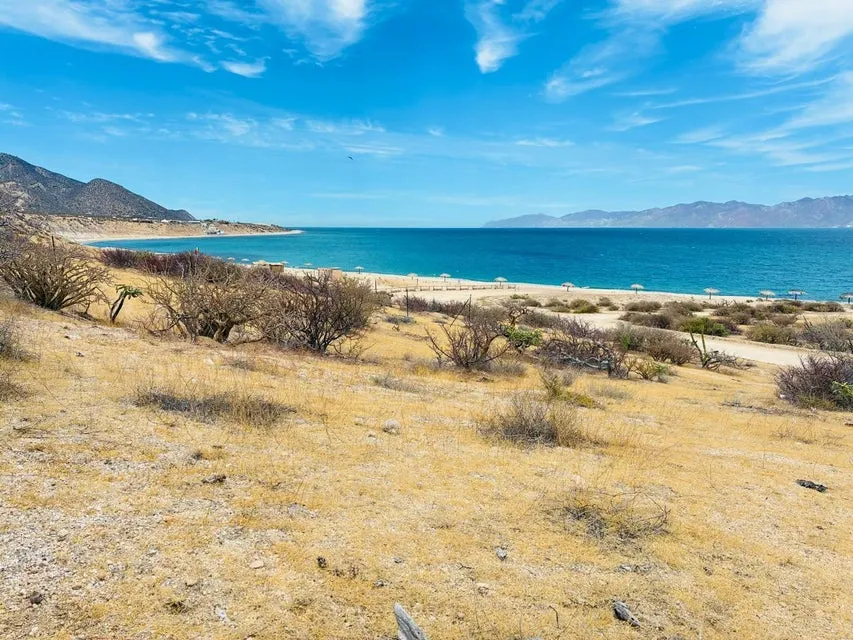
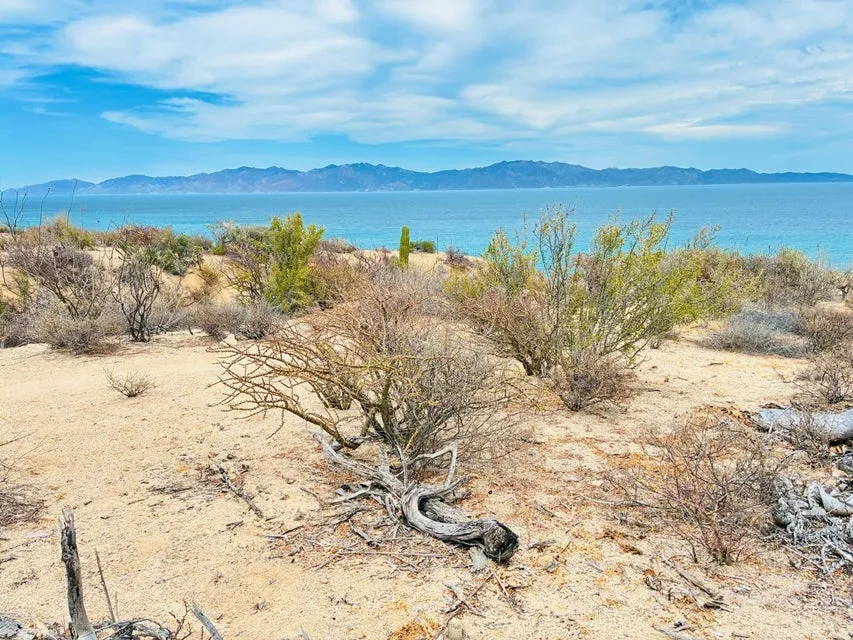
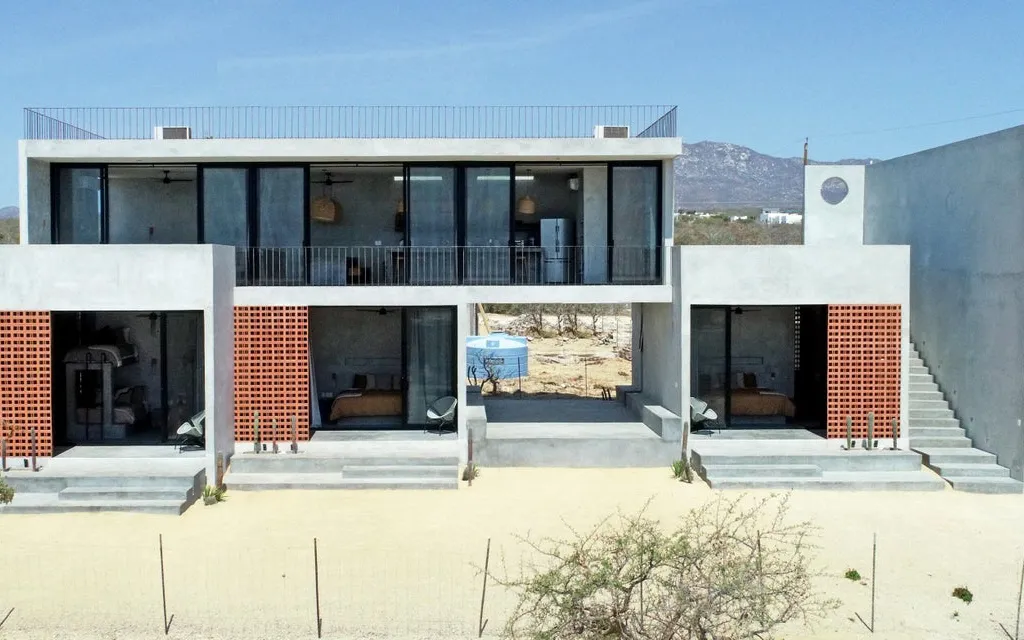
- La Paz averages over 300 days of sunshine annually, with temperatures ranging from 53°F–78°F (12°C–26°C) in winter and 77°F–97°F (25°C–36°C) in summer. Unlike the Pacific-facing towns of Todos Santos and Pescadero, La Paz sits on the Sea of Cortez side of the peninsula and doesn't benefit from cooling Pacific breezes — summers are genuinely hot and dry, and air conditioning is essential from June through September. The rainy season is brief and falls mostly in late summer, with September averaging only about 2.5 inches of rain. The city is less exposed to hurricane impact than other parts of Baja California Sur due to its position within the bay.
- Getting Here
- La Paz has its own international airport — Manuel Márquez de León International (LAP) — located about 11km southwest of downtown. Direct US service currently operates to Los Angeles (Alaska Airlines), with domestic connections to Mexico City, Tijuana, Guadalajara, and other major hubs. For broader international connectivity, Los Cabos International Airport (SJD) is approximately 2 hours south and offers 50+ direct routes across the US and Canada — most La Paz residents use both airports depending on their destination.
- Daily Life
- La Paz functions as a real city, not a resort town. Walmart, Home Depot, and Sam's Club are all present, alongside local markets and specialty food shops. Healthcare is anchored by Hospital Fidepaz (Central de Especialidades Médicas) — the main private facility serving the expat community — and Medical Center, with English-speaking doctors and affordable specialist visits. High-speed fiber internet is available across most residential neighborhoods. The expat community is active and well-organized, with established social networks, weekly events, and a Malecón culture that makes meeting people genuinely easy. Nine beaches are within city limits — Balandra, Tecolote, and El Caimancito among the most popular.
- Cost of Living
- La Paz is more affordable than Los Cabos but more expensive than mainland Mexico — the Baja Peninsula's geographic isolation adds roughly 15–25% to the cost of goods that arrive by truck or ferry. A couple living comfortably can expect to spend approximately $2,000–$2,500 USD per month covering rent, food, transportation, and entertainment. Electricity is the one area that can surprise: Baja California Sur has Mexico's highest electricity rates, and heavy air conditioning use in summer can push bills significantly higher. Property taxes remain very low by international standards. Overall, the value-for-lifestyle equation in La Paz is genuinely difficult to match.